Soil Testing for Construction in Saudi Arabia
Building Rank
We Guarantee You the Safe Choice
Before starting any construction project, nothing is more important than understanding the strength, safety, and reliability of the soil beneath your building. At Building Rank, we provide advanced soil testing for construction to ensure your foundation is stable, safe, and fully ready to support your project for decades to come.
Our approach goes beyond basic testing - we offer a complete soil assessment that helps owners, investors, and engineers make confident decisions from day one.
What Is Soil Testing for Construction?
Soil testing for construction is a technical evaluation of the soil's physical and structural properties to determine whether it is suitable for building. This includes understanding soil strength, moisture levels, compaction, settlement behavior, and bearing capacity - all of which directly affect the safety of your future structure.
Through soil testing for construction, you receive clear, engineering-backed insights that help you avoid foundation problems, structural cracks, or costly repairs in the future.
What Our Soil Testing for Construction Includes
-
Soil Assessment & Classification
We analyze soil layers, textures, and stability to determine whether they can safely support your project. This is the foundation of every accurate soil investigation report.
-
Soil Bearing Capacity Test
We conduct a detailed soil bearing capacity test to measure the maximum load the soil can support. This ensures your foundation design is safe, stable, and aligned with engineering standards.
-
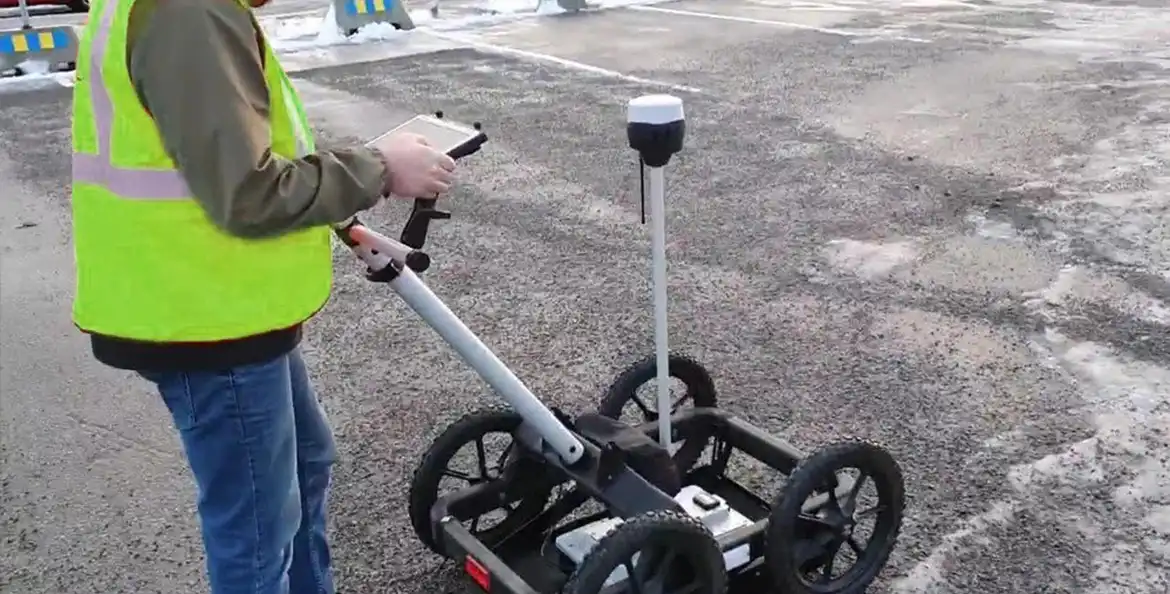
Soil Compaction Testing
Improper compaction is one of the main causes of future settlement issues. Our soil compaction testing verifies that the soil is properly compressed and capable of bearing structural loads without shifting.
-
Pre-Construction Soil Testing
Through pre construction soil testing, we evaluate all soil properties before any excavation or foundation work begins - helping you avoid risks and unexpected costs later.
-
Soil Settlement Analysis
We perform a full soil settlement analysis to predict how the soil will behave under the weight of your building. This prevents issues such as floor tilting, wall cracks, or long-term structural instability.
-
Soil Investigation Report
After completing all tests, you receive a detailed soil investigation report that includes:
- Soil layers and classification
- Bearing capacity values
- Compaction quality
- Moisture and density measurements
- Predicted settlement behavior
- Engineering recommendations
This report is essential before finalizing architectural or structural designs.
Why Choose Building Rank?
- Specialized geotechnical engineers
- Advanced soil testing equipment
- Fast on-site sampling and reporting
- Accurate data for safe foundation design
- Trusted across Saudi Arabia for soil testing for construction
- Clear guidance to help you make informed decisions
With our expertise, you'll have full confidence in every step of your construction project.
Who Needs Soil Testing for Construction?
Our service is essential for:
- Homeowners planning new villas
- Developers building residential or commercial projects
- Contractors preparing foundations
- Investors evaluating land before purchase
- Anyone concerned about soil strength or long-term building safety
No project should begin without soil testing for construction - it's your first layer of protection.
Book Your Soil Testing for Construction Today
Start your project the right way - with science, accuracy, and expert engineering. Choose Building Rank for reliable, professional soil testing for construction and ensure your building stands on a strong and safe foundation.
Book Your Soil Test Today
Same-day site visit available - full report within 24-48 hours.
Frequently Asked Questions
Why is soil testing for construction important?
Soil testing for construction is essential to determine whether the soil can safely support the foundation. It helps prevent structural cracks, uneven settlement, and costly repairs in the future.
How long does soil testing for construction take?
What tests are included in a soil investigation?
Do I need soil testing before building a villa or commercial property?
Can soil testing detect weak or unstable soil?
What does the soil investigation report include?
Can soil testing help reduce construction risks?
Is soil testing required for land purchase?
Request Service
Get a comprehensive soil test now
Don't hesitate to request a pre-construction soil test from Building Rank.

And get a detailed engineering report that guarantees the safety and stability of your project's foundation 100%.
Related Information:
Economic Feasibility Study - The 5 Steps of the Feasibility Study
Careful planning for any successful project includes studying its economic feasibility, as it is the basic foundation upon which any project depends to achieve the expected profits from it, through conducting a cost-benefit analysis and analyzing all aspects of the project to determine the probability of its completion.
Read MoreConstruction Quality Control & Assurance Services in Saudi Arabia:
At Building Rank, we provide comprehensive construction quality control and construction quality assurance services to ensure every stage of your project meets the highest engineering and safety standards.
Read More